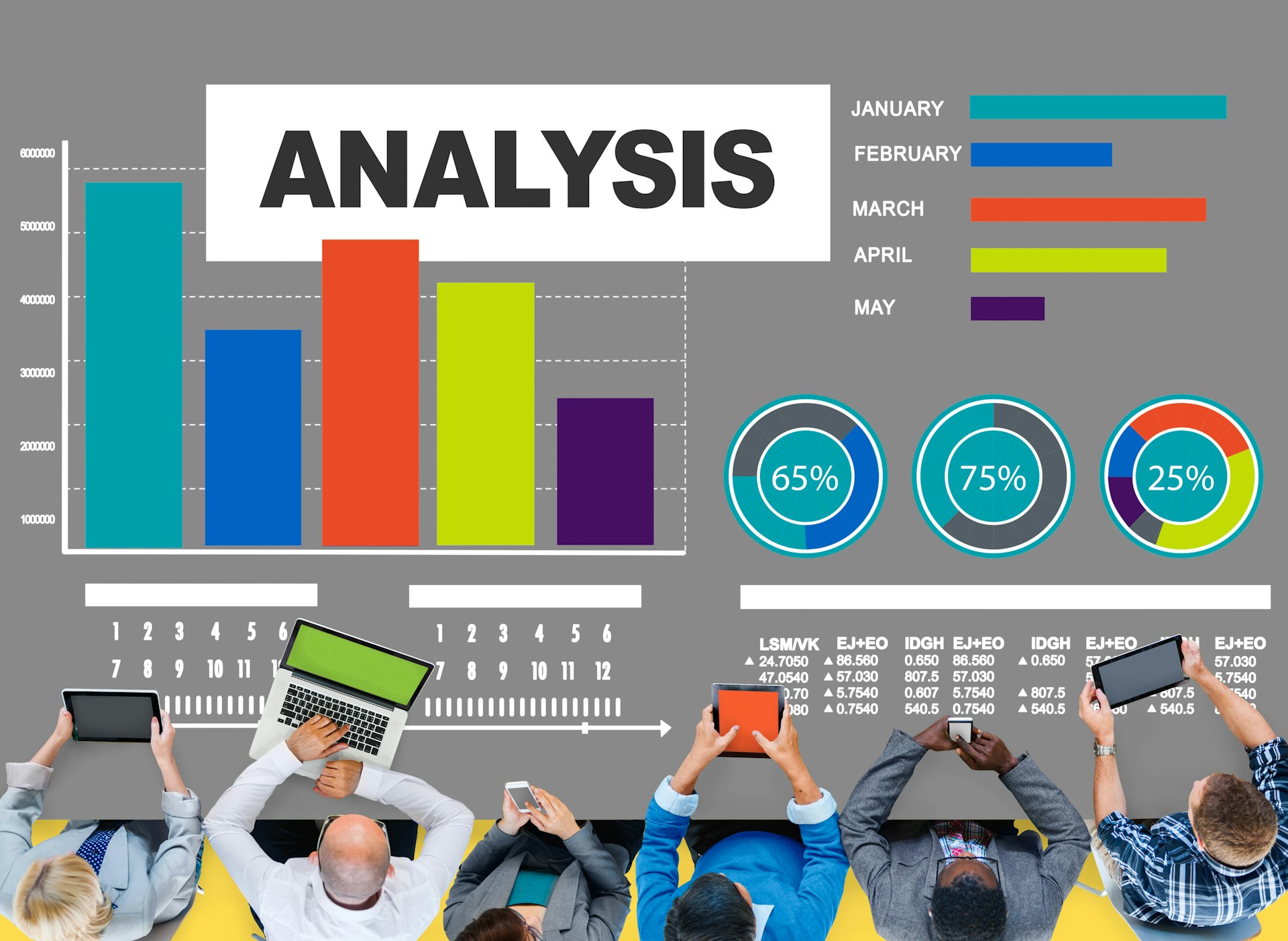
Digital advertising continues to evolve rapidly, and businesses now face a very different landscape than they did just a few years ago. New technology, changing consumer habits, and stricter privacy expectations all influence how brands connect with audiences online. Companies that adapt quickly often gain stronger visibility and customer trust, while slower competitors struggle to keep up. As brands search for smarter ways to grow, programmatic advertising solutions now play a major role in shaping modern marketing campaigns.
At the same time, consumers expect more personalized and meaningful experiences from brands. People no longer respond well to repetitive or generic advertisements. Instead, they prefer content that feels relevant and helpful. Because of this shift, advertisers must rethink traditional methods and focus on building stronger digital relationships. The future of advertising will depend on innovation, flexibility, and a deep understanding of audience behavior.
Artificial Intelligence Is Changing Campaign Decisions
Artificial intelligence already influences many parts of digital advertising. Businesses use AI tools to analyze customer behavior, predict trends, and improve targeting. These systems process huge amounts of data much faster than humans can. As a result, marketers can make quicker and smarter decisions.
AI also helps advertisers create more personalized campaigns. Some platforms now adjust ad content automatically based on user interests and online activity. This process improves engagement because audiences see advertisements that feel more relevant to them. Additionally, AI can optimize ad spending by identifying which campaigns deliver the strongest results.
However, businesses still need human creativity and judgment. Technology may improve efficiency, but successful campaigns still require emotional understanding and clear messaging. Companies that combine smart automation with a strong creative strategy will likely achieve the best long-term results.
Privacy Rules Continue to Influence Online Marketing
Privacy concerns now shape the future of digital advertising more than ever before. Many consumers worry about how companies collect and use personal information online. Governments and technology companies have responded by creating stricter privacy regulations and limiting tracking methods.
As third-party cookies disappear, advertisers must explore new ways to understand customer behavior. Businesses now rely more heavily on first-party data collected directly from their audiences. Email subscriptions, loyalty programs, and customer surveys help companies build stronger data relationships while respecting privacy expectations.
Transparency also matters greatly in modern advertising. Customers want to know how their information is used and protected. Brands that communicate openly often build stronger trust with audiences. In the coming years, ethical data practices will become an essential part of successful marketing strategies.
Interactive Experiences Are Increasing Consumer Engagement
Modern audiences want more than passive advertisements. Consumers now expect interactive experiences that encourage participation and involvement. Polls, quizzes, augmented reality features, and interactive videos help brands create stronger engagement online.
Interactive campaigns often hold attention longer than traditional ads because users become active participants. For example, virtual product try-ons let customers experience products before purchasing. These features improve customer confidence while creating memorable brand experiences.
At the same time, interactive advertising generates valuable customer insights. Businesses can learn more about audience preferences through direct engagement. In many industries, predictive consumer analytics now helps companies understand how users interact with digital experiences and which formats create the strongest results.
Video Content Keeps Expanding Across Platforms
Video marketing continues to dominate digital advertising because audiences consume visual content at extremely high rates. Short-form videos especially attract strong engagement on social media platforms. Consumers often prefer quick, entertaining videos to long written advertisements.
Businesses now use video to educate, entertain, and connect emotionally with audiences. Product demonstrations, behind-the-scenes clips, and customer stories all help brands appear more authentic online. Furthermore, live streaming enables direct interaction between businesses and consumers, thereby increasing engagement and trust.
Brands that invest in creative video strategies often gain stronger visibility across multiple platforms. Search engines and social media algorithms also favor engaging video content. Because of this trend, businesses that ignore video marketing may miss valuable opportunities to grow their audience.
Voice Search Is Transforming Advertising Strategies
Voice search continues to grow as more consumers use smart speakers and mobile assistants daily. People now search differently when speaking compared to typing. Voice searches tend to sound more conversational and question-based, which changes how businesses approach digital content.
Advertisers must adapt by creating content that matches natural speech patterns. Websites optimized for conversational searches often rank better in voice search results. Additionally, local businesses benefit greatly because many voice searches focus on nearby products and services.
This change also affects paid advertising strategies. Companies may need to rethink keyword selection and audience targeting to align with voice behavior. Businesses that prepare early for these shifts can improve visibility while competitors fall behind.
Influencer Partnerships Continue to Evolve
Influencer marketing remains a powerful part of digital advertising, yet the industry continues to change rapidly. Audiences now value authenticity more than celebrity status alone. Smaller influencers with loyal communities often generate stronger trust and engagement than larger accounts with massive followings.
Brands increasingly seek long-term partnerships instead of one-time promotions. Ongoing collaborations often feel more natural and believable to audiences. Consumers respond better when influencers genuinely use and support the products they recommend.
Additionally, businesses now evaluate influencer performance more carefully, focusing on engagement rates and audience quality. Companies want partnerships that create measurable business results rather than simple visibility. As the industry matures, influencer marketing will likely become even more data-driven and strategic.
Smarter Automation Is Improving Advertising Efficiency
Automation continues to simplify many parts of digital advertising. Businesses now use automated systems for bidding, audience targeting, and campaign optimization. These tools save time while improving efficiency across large advertising platforms.
Automated advertising also allows companies to respond more quickly to performance changes. Campaigns can adjust in real time based on user behavior and engagement patterns. Consequently, businesses can improve return on investment while reducing wasted spending.
However, automation works best when combined with strong oversight. Companies still need clear goals and creative direction to guide technology effectively. Businesses that rely entirely on automation without strategic planning may struggle to stand out in crowded markets.
Brands Must Stay Flexible in a Rapidly Changing Market
Digital advertising will continue to evolve as technology and consumer expectations change. Businesses that remain flexible often adapt more successfully to industry shifts. Companies must stay informed about new platforms, privacy updates, and emerging audience behaviors. In this environment, immersive brand storytelling helps businesses build stronger emotional connections and stand out in highly competitive digital spaces.
At the same time, brands should focus on long-term trust instead of chasing every short-term trend. Consumers value authenticity, transparency, and meaningful experiences more than aggressive sales tactics. Businesses that combine innovation with customer-focused strategies will likely achieve stronger growth as digital advertising continues evolving in the years ahead.