Digital marketing works best when every action has a clear purpose. Many businesses publish content, run ads, and use social media without knowing how those efforts connect. As a result, they may spend money without seeing steady growth. A strong online customer growth plan brings everything together by connecting audience needs, useful content, search visibility, and measurable goals. Instead of chasing every new platform, businesses can focus on the channels and tactics that support real customer decisions.
Establish Goals That Give Every Campaign Direction
Before choosing platforms or creating content, decide what you want marketing to achieve. Your main goal might involve increasing sales, generating leads, attracting website visitors, or building stronger customer loyalty. Clear goals help teams avoid activities that look impressive but provide little business value.
Make each goal measurable. For example, instead of saying you want more leads, aim to increase qualified inquiries by 15 percent within six months. A specific target makes progress easier to track. In addition, it helps teams decide which campaigns deserve more time, attention, and budget.
Discover What Motivates Your Ideal Audience
Successful marketing starts with understanding people. Learn what your customers need, what problems they face, and what questions they ask before making a purchase. Customer reviews, sales conversations, surveys, and support requests can provide useful clues.
You should also consider where customers spend time online. Some audiences rely heavily on search engines, while others discover brands through social media or video. Therefore, knowing their habits allows you to meet them in the right place with the right message.
Audience research should continue over time. Customer expectations can change as new products, technologies, and competitors enter the market. Regular research helps your message stay relevant instead of relying on old assumptions.
Develop Messaging That Feels Clear and Useful
Customers should understand your value quickly. Complicated language and long lists of features can make even a good offer difficult to understand. Instead, explain the main problem you solve and the benefit people can expect.
For example, a company selling business software should not focus only on technical features. It could explain how the software saves employees time, organizes daily work, or reduces repetitive tasks. That message connects the product to a real-world need.
Consistency also strengthens your brand. Your website, advertisements, emails, and social content should communicate a similar promise. However, each channel can present that message in a way that fits its audience and format.
Select Channels Based on Purpose and Behavior
Businesses can choose from search engines, email, social media, paid advertising, video, and many other channels. However, trying to manage all of them can spread resources too thin. Focus on platforms where your ideal customers already spend time.
Each channel should have a clear role. Search marketing can reach people who are actively looking for information. Social media can help brands build awareness and conversation. Meanwhile, email can nurture people who already showed interest.
The right combination varies by company. A local service provider may focus on search, reviews, and email, while an online retailer may invest more in social content and product advertising. Therefore, choose channels based on customer behavior rather than popularity.
Produce Helpful Material Around Real Questions
Strong content gives people a reason to discover and trust your business. Rather than publishing random posts, create material around questions customers actually ask. This approach makes your content more useful and increases its chance of attracting relevant visitors.
Search research can reveal common questions and phrases related to your products. You can then create articles, guides, videos, or other resources that provide clear answers. However, avoid forcing keywords into every sentence. Natural writing creates a better experience for readers.
A well-planned search-driven content system should also connect related topics. For example, a home improvement company could publish content about project costs, material choices, maintenance, and timelines. Each resource can guide visitors toward another helpful page.
Quality matters more than constant publishing. One useful guide may bring better results than several weak articles. Therefore, focus on accuracy, clarity, practical examples, and information that helps readers make confident decisions.
Improve the Path From Interest to Action
Website visitors need a simple way to move forward. If pages feel confusing, slow, or crowded, potential customers may leave before taking action. Therefore, review your website from the visitor’s point of view.
Important pages should clearly explain what the business offers and what visitors can do next. Calls to action may invite people to request a quote, purchase a product, schedule a consultation, or join an email list.
Mobile usability is equally important. Pages should load quickly, forms should be simple, and buttons should be easy to tap. In addition, trust signals such as reviews, testimonials, clear policies, and useful contact information can reduce hesitation.
Measure Results Instead of Chasing Vanity Numbers
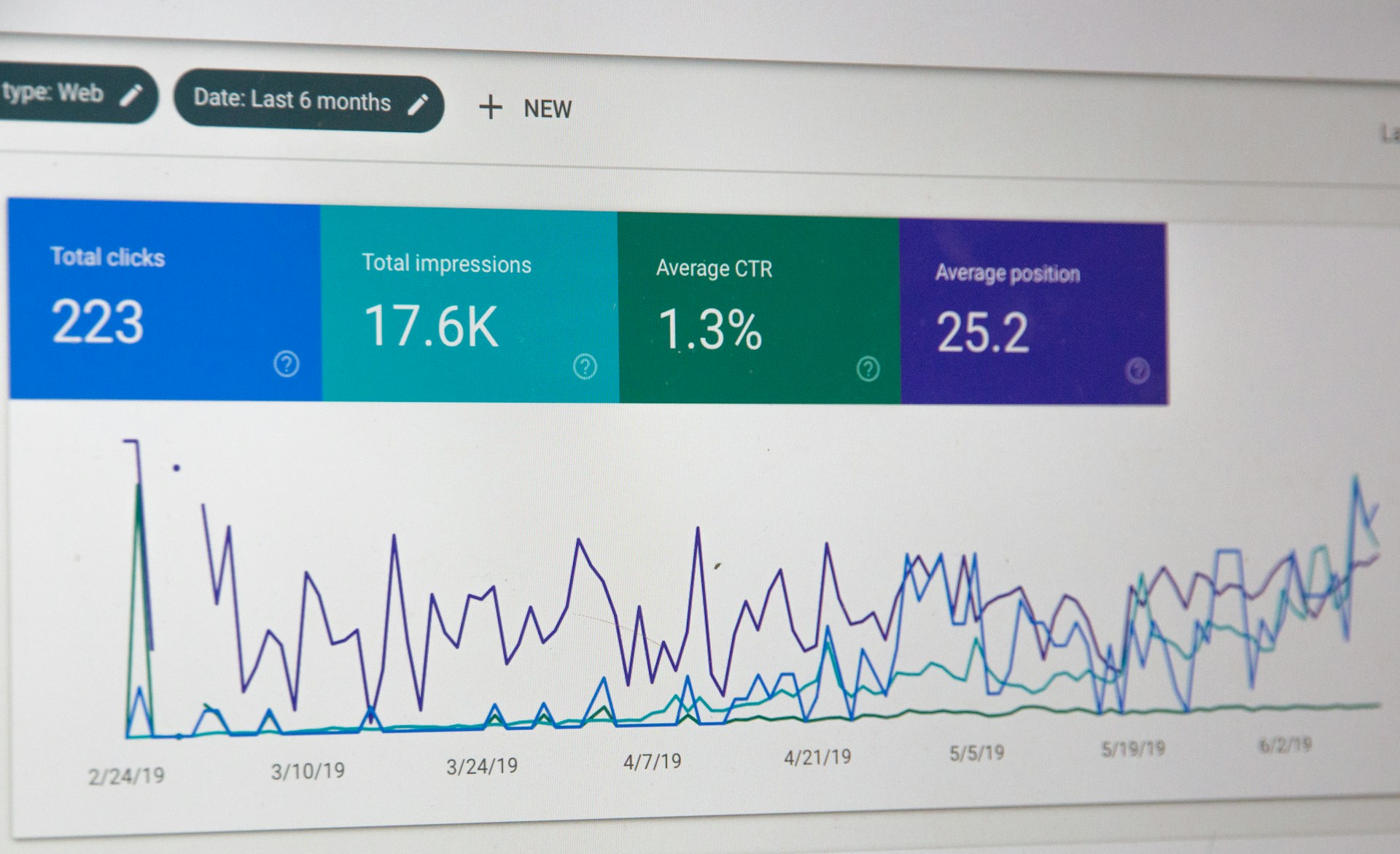
Marketing data can reveal what works, but only when businesses focus on meaningful metrics. High page views or social likes may look encouraging, yet they do not always lead to revenue. Instead, track results that connect directly to your goals.
For lead generation, useful measurements may include qualified inquiries, conversion rates, and cost per lead. Online stores may focus on revenue, repeat purchases, customer acquisition costs, and average order values.
Regular reviews can reveal areas that need improvement. If a page receives strong traffic but creates few conversions, improve its message or call to action. Likewise, if one channel regularly attracts high-value customers, consider increasing your investment there.
Testing can strengthen future decisions. Compare headlines, landing pages, ads, and email messages to learn what customers prefer. However, change one major element at a time whenever possible so you can understand what caused the result.
Refine Your Approach for Sustainable Progress
Digital marketing changes as customer habits, technology, and competition evolve. Therefore, businesses should regularly review their strongest and weakest activities. A practical campaign optimization process can help teams update popular content, improve weak landing pages, adjust advertising budgets, and remove tactics that no longer deliver value. These ongoing improvements allow companies to respond to change without rebuilding their entire marketing approach each time.
Long-term success depends more on consistency than constant trend chasing. Businesses that understand their audience, create useful content, choose channels carefully, and study performance can make smarter decisions over time. A focused digital marketing strategy gives every activity a purpose while making results easier to measure. When companies continue learning and adjusting, online marketing can create stronger relationships, better leads, increased sales, and dependable business growth.