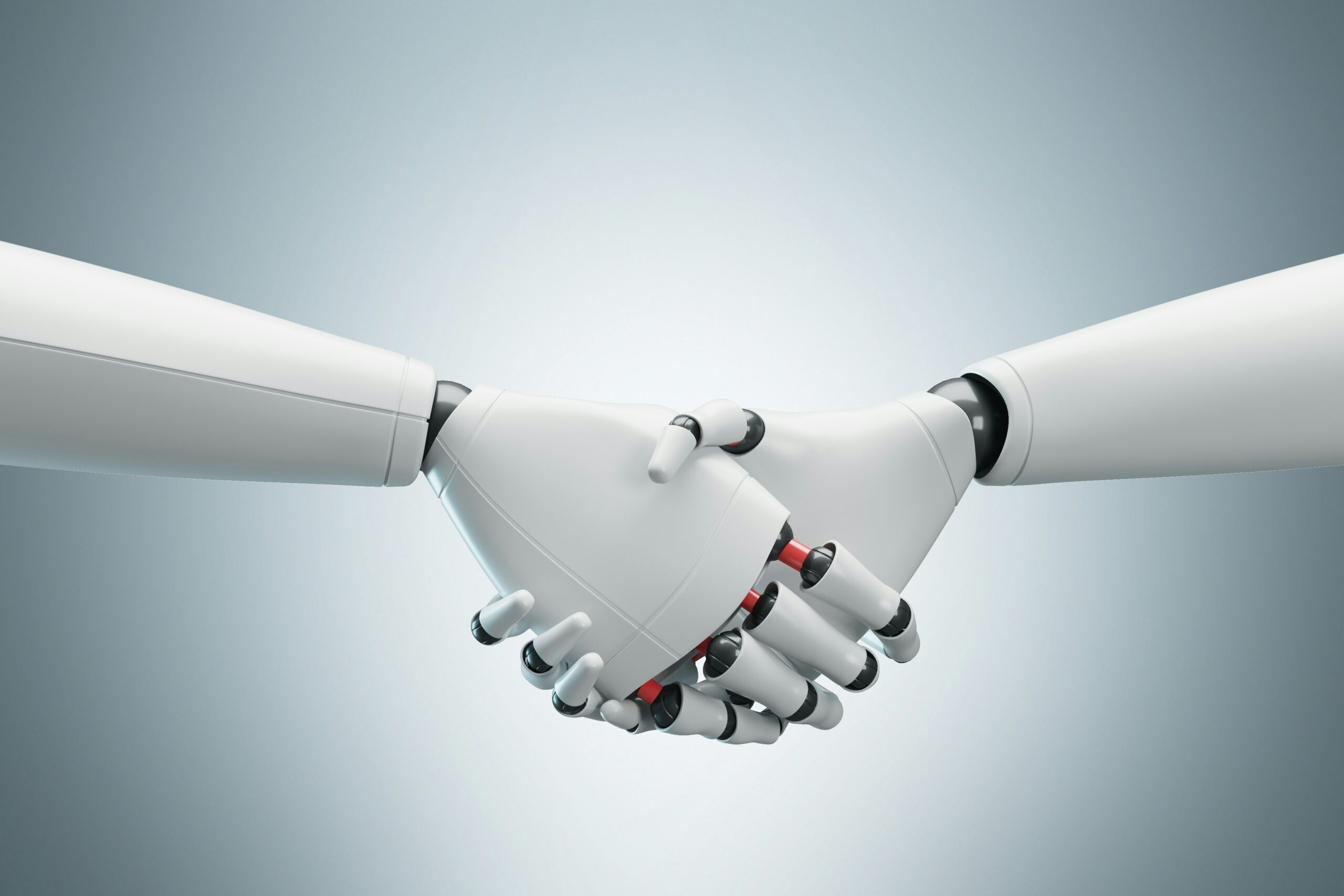
Artificial intelligence (AI) is rapidly transforming the world of digital marketing. From predictive analytics to content creation, AI-powered tools are driving efficiency, personalization, and more intelligent decision-making. As businesses shift to more data-driven strategies, AI is no longer a luxury—it’s becoming a necessity for brands that want to stay competitive.
This article explores how artificial intelligence is reshaping digital marketing, what tools and trends are emerging, and how marketers can use AI to deliver better results. Whether you’re just starting or looking to elevate your strategy, understanding AI in digital marketing is crucial for success.
What Is Artificial Intelligence in Digital Marketing?
Artificial intelligence refers to computer systems that can perform tasks that usually require human intelligence. These tasks include learning, reasoning, problem-solving, and adapting based on data. In digital marketing, AI tools analyze vast amounts of information, identify patterns, and help marketers make more informed decisions.
AI doesn’t replace human marketers. Instead, it enhances their capabilities by automating repetitive tasks, predicting outcomes, and optimizing campaigns in real time. This allows marketing teams to focus on strategy, creativity, and customer engagement.
How AI Personalizes Customer Experiences
One of the most significant ways AI is revolutionizing digital marketing is through personalization. Today’s consumers expect content tailored to their preferences, behaviors, and needs. AI helps marketers deliver precisely that.
Using machine learning algorithms, AI analyzes customer data such as browsing history, purchase behavior, and social media activity. It then creates user profiles and delivers personalized product recommendations, targeted emails, and dynamic website content.
For example, e-commerce brands use AI to recommend products based on past purchases. Streaming platforms suggest shows based on viewing history. These AI-powered experiences increase user satisfaction, engagement, and loyalty.
Predictive Analytics: Anticipating Customer Behavior
Predictive analytics is another powerful application of artificial intelligence in digital marketing. It uses historical data and AI algorithms to forecast future behaviors. This helps marketers anticipate customer actions, such as when someone might make a purchase, unsubscribe, or respond to a specific message.
By understanding customer intent in advance, businesses can adjust their strategies proactively. For instance, predictive analytics can identify high-value leads, allowing sales teams to prioritize outreach. It can also help reduce churn by detecting signs that a customer may be losing interest.
With this insight, brands create more timely, relevant campaigns and significantly improve conversion rates.
Chatbots and Conversational Marketing
AI-powered chatbots are changing the way brands communicate with customers. Available 24/7, chatbots handle inquiries, guide users through the buyer’s journey, and resolve issues instantly. They improve customer service while saving time and resources.
These bots use natural language processing (NLP) to understand and respond in a human-like manner. This makes the interaction feel more personal and engaging. As chatbots become more advanced, they provide increasingly helpful and context-aware responses.
In addition to support, chatbots play a crucial role in conversational marketing. They capture leads, qualify prospects, and offer personalized recommendations—all without human involvement.
More brilliant Content Creation and Optimization
AI is also transforming content creation. Tools powered by machine learning can generate blog posts, product descriptions, social media captions, and even video scripts. While human creativity remains essential, AI speeds up the content production process and ensures consistency.
For marketers, this means the ability to produce more content in less time. AI also assists with content optimization by analyzing performance data and suggesting improvements. It recommends better headlines, keyword usage, content length, and structure to improve search engine rankings.
Additionally, AI tools like Grammarly and Hemingway enhance readability, grammar, and tone, helping marketers craft clear and engaging messages.
Enhancing Email Marketing Campaigns
Email marketing remains one of the most effective channels in digital marketing. Artificial intelligence is taking it to the next level. AI tools analyze subscriber behavior and segment audiences based on interests, activity, and engagement levels.
This segmentation enables marketers to send personalized emails with tailored content, offers, and timing. AI also determines the optimal time to send emails, boosting open rates and click-through rates.
A/B testing becomes smarter with AI as well. Rather than manually testing subject lines or designs, AI automates the process, identifies winning variations, and applies them in real-time to improve performance.
AI and Social Media Marketing
Social media marketing benefits greatly from artificial intelligence. AI tools help analyze trends, monitor brand mentions, and identify top-performing content. This allows marketers to stay ahead of what’s relevant and adjust strategies quickly.
AI also improves social media advertising. Platforms like Meta (Facebook and Instagram) and LinkedIn use AI to target ads to users most likely to engage or convert. Marketers set goals, and AI algorithms handle bidding, placement, and optimization for the best results.
Moreover, AI-driven sentiment analysis tools monitor how audiences feel about a brand. This real-time feedback allows marketers to address concerns and improve customer perception.
Voice Search and AI Integration
With the rise of voice-activated assistants like Alexa, Siri, and Google Assistant, voice search is becoming a critical part of digital marketing. AI powers these tools, enabling them to understand and respond to natural language queries.
Marketers must now optimize content for voice search, which often involves using conversational phrases and answering questions directly. AI helps identify popular voice search queries and adapt content accordingly.
As more users rely on voice for shopping, searching, and interacting with brands, AI integration becomes vital for staying visible and relevant.
Ethical Use of AI in Digital Marketing
As artificial intelligence becomes more widespread, ethical considerations are increasingly important. Marketers must ensure the responsible use of customer data, provide transparency, and avoid manipulation.
Respecting privacy laws, such as GDPR and CCPA, is non-negotiable. Brands should clearly explain how AI tools use data and give users control over their information. Transparency builds trust, and trust builds customer loyalty.
AI should enhance the user experience—not exploit it. Marketers must strike a balance between automation and authentic human connection.
The Future of Digital Marketing with AI
Artificial intelligence is not just a trend—it represents the future of digital marketing. As AI tools become more sophisticated, marketers will gain deeper insights, make smarter decisions, and deliver more meaningful experiences.
In the coming years, expect even more integration of AI with virtual reality (VR), augmented reality (AR), and the metaverse. Personalization will become hyper-advanced, and automation will streamline the most complex marketing workflows.
Brands that embrace AI today will lead the digital marketplace tomorrow. The key lies in continuous learning, testing new tools, and adapting strategies as technology evolves.
Artificial intelligence is revolutionizing digital marketing by making it more efficient, personalized, and data-driven. From predictive analytics to content generation and intelligent automation, AI empowers marketers to connect with audiences in more meaningful ways.
To stay competitive in a fast-changing landscape, marketers must embrace AI not just as a tool—but as a strategic partner. Those who do will not only keep up—they’ll lead the future of digital marketing.